
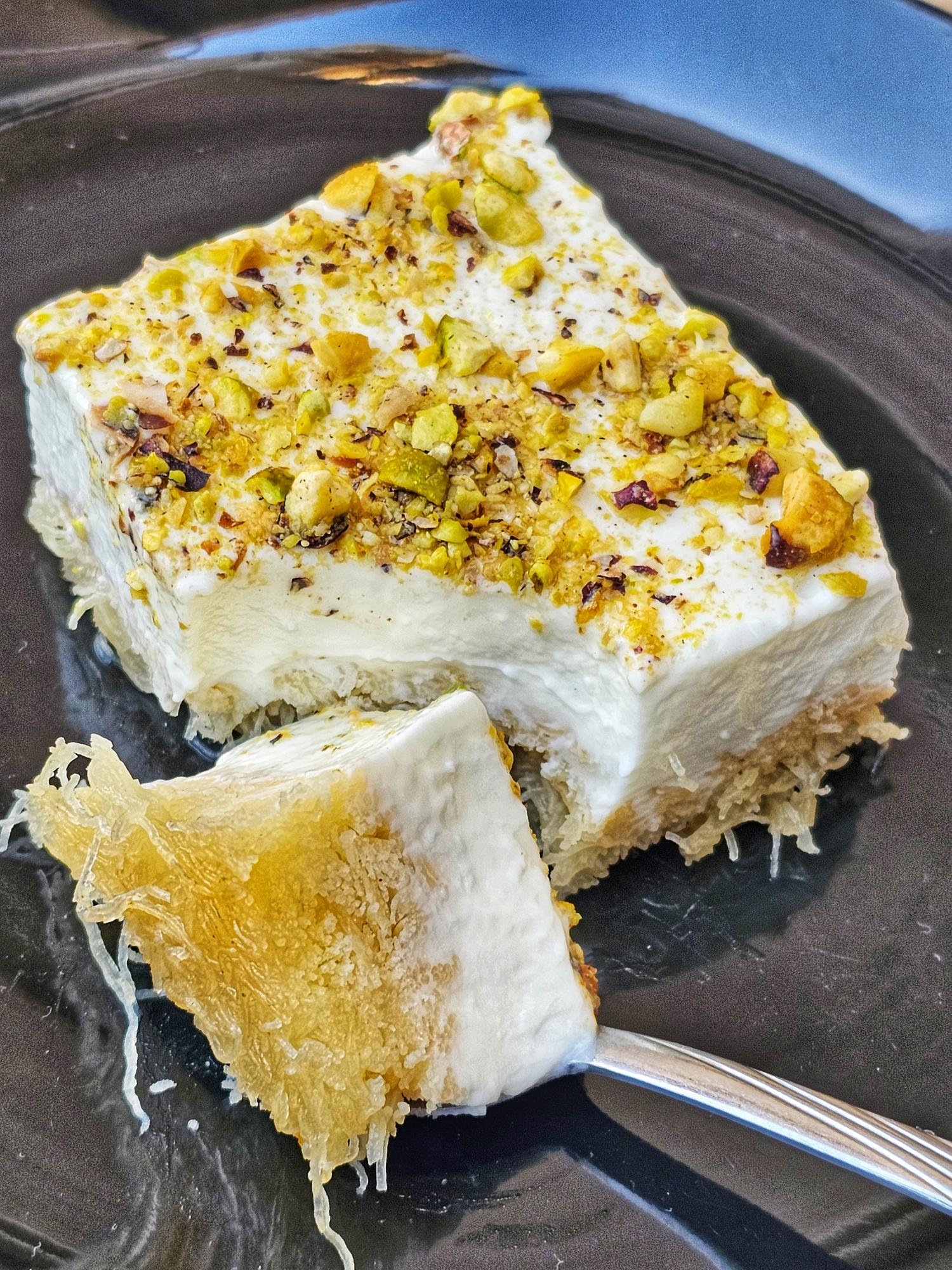
From the creamy, rose-scented puddings of the Middle East to the syrup-soaked semolina cakes of the Mediterranean, embark on a sweet journey across continents with these beloved global desserts!
There is something universally comforting about milk puddings and semolina cakes . Across cultures and centuries, humble ingredients like milk, sugar, and semolina have been transformed into some of the world's most cherished desserts. Whether it's a silky pudding scented with floral waters or a dense, syrup-drenched cake studded with nuts, these treats tell stories of tradition, celebration, and the universal love for sweetness.
In this article, we'll take you on a global tour of milk puddings and semolina-based desserts . From the ancient streets of Persia to the sun-drenched villages of Greece, from the bustling markets of India to the cozy kitchens of Eastern Europe, each dessert has a unique identity and a story to tell. So grab a spoon and prepare to be inspired!
🥛 Classic Milk Puddings Around the World
Milk puddings are among the oldest and most universal desserts. Thickened with starches, rice, or semolina itself, they range from simple comfort food to elegant dinner-party showstoppers.
1. Muhallebi / Mahalabia – Middle Eastern Milk Pudding
One of the most iconic milk puddings in the world, Muhallebi (also known as Mahalabia or Malabi) is a smooth, lightly sweetened pudding made from milk thickened with rice flour, cornstarch, or semolina. It is flavoured with aromatic ingredients like rosewater, orange blossom water, or mastic. Legend has it that the dessert was introduced to Arab cuisine in the late seventh century by a Persian cook who served it to an Arab general named Al-Muhallab ibn Abi Sufra – he liked it so much, he named it after himself!. Today, it is enjoyed across the Middle East, Eastern Mediterranean, and North Africa, often garnished with ground pistachios, almonds, or shredded coconut.
2. Semolina Pudding – Eastern European Comfort
In Central and Eastern Europe, semolina pudding (known as Grießbrei in Germany, krupičná kaše in Czechia, and tejbegríz in Hungary) is a beloved comfort food. Made by cooking semolina with milk (or a mixture of milk and water) and sugar, it is often served warm with a sprinkle of cocoa powder, cinnamon, raisins, or a drizzle of melted butter. Semolina pudding has been eaten in Europe since Roman times – the recipe book of Apicius from the 4th century AD describes a semolina porridge mixed with almonds, raisins, and raisin wine. It's the ultimate nostalgic dessert that tastes like childhood.
3. Rice Pudding – A Global Classic
No list of milk puddings would be complete without rice pudding . Found in countless variations across the globe, it is made from rice and milk, often sweetened and flavoured with vanilla, nutmeg, cinnamon, or cardamom. In the Middle East, it's known as "riz bi haleeb" and flavoured with anise or mastic. In Scandinavia, it's a creamy Christmas treat. In India, kheer is a festive rice pudding made with cardamom, saffron, and nuts. The beauty of rice pudding is its adaptability – every culture has its own beloved version.
4. Tres Leches Cake – Latin America's Milk-Soaked Marvel
While not a pudding in the traditional sense, tres leches cake is a sponge cake soaked in three types of milk – condensed milk, evaporated milk, and heavy cream. Originating from Latin America, it is moist, decadent, and utterly irresistible. It's the perfect bridge between a cake and a pudding!
💡 Fun fact: The earliest recipes for muhallebi, dating to the 10th century, featured three versions: milk thickened with ground rice, milk with rice grains and chicken, and an egg custard without rice. Yes, you read that right – chicken in a pudding!
🍰 Semolina Cakes – A World of Sweetness
Semolina – the coarse, golden flour made from durum wheat – is the star ingredient in some of the world's most beloved cakes. From the Middle East to the Mediterranean, these desserts share a common thread: they are moist, fragrant, and often soaked in syrup.
1. Basbousa / Namoura / Revani – The Middle Eastern & Mediterranean Family
Perhaps the most famous semolina cake in the world, Basbousa (as it's known in Egypt) goes by many names: Namoura in Lebanon, Revani in Turkey and Greece, Harisa in the Arab world, and Shamali in Armenia. This moist, dense cake is made with semolina, yogurt, and butter, then soaked in a fragrant sugar syrup infused with rosewater or orange blossom water. It is often topped with almonds or pistachios. In Lebanon, part of the flour is replaced with grated coconut, while the Jewish version from Tripoli is flavoured with orange blossom water. It is traditionally prepared for festive gatherings, weddings, and religious celebrations like Eid and Ramadan.
2. Galaktoboureko – Greek Layered Milk Cake
From Greece comes galaktoboureko , which literally means "layered cake with milk". This spectacular dessert consists of many layers of thin, flaky phyllo dough enveloping a creamy filling made with semolina and milk. After baking, it is drenched in a syrup made with water, sugar, and lemon juice, often flavoured with orange or lemon zest. The contrast between the crisp, golden phyllo and the luscious custard-like filling is pure magic.
3. Sheera / Suji Ka Halwa – India's Golden Pudding
In India, Sheera (also known as Suji ka Halwa) is a beloved semolina-based dessert that is a staple during celebrations and religious festivals. Made with ghee (clarified butter), semolina, and sugar, it is cooked until golden and fragrant, then adorned with nuts and raisins. It is a symbol of joy and prosperity, and its warm, comforting flavour makes it a favourite in Indian households.
4. Sugee Cake – Malaysia's Eurasian Heritage
Half a world away, in Malaysia and Singapore, semolina is used to make sugee cake – a rich, nutty dessert that reflects the region's Eurasian heritage. This cake was introduced through Portugal's colonization of the Malay Peninsula during the 1600s. It is a dense, buttery cake that is often flavoured with almonds and sometimes soaked in a light syrup. It's a lesser-known but utterly delicious gem of global semolina baking.
5. Migliaccio – Italy's Carnival Semolina Cake
In Italy, semolina is used in the famous migliaccio , a soft cake typical of the Carnevale period in Campania. This rustic dessert is made with semolina, ricotta, and citrus zest, creating a wonderfully tender crumb. It's a taste of Italian tradition that is as comforting as it is delicious.
🌍 A Sweet World to Explore
From the rose-scented muhallebi of the Middle East to the syrup-drenched basbousa of Egypt, from the comforting semolina pudding of Eastern Europe to the golden sheera of India, milk puddings and semolina cakes offer a delicious window into the world's diverse culinary traditions.
What unites them all is their ability to bring comfort and joy – whether served at a festive celebration, a family gathering, or simply as a sweet treat to brighten your day. So why not embark on your own global dessert adventure? Try making one of these classics at home and taste the world, one spoonful at a time.
💡 Pro tip: When making semolina cakes, always let them cool slightly before pouring over the syrup. This allows the cake to absorb the syrup evenly, resulting in a perfectly moist and flavourful dessert. And for milk puddings, don't skip the chilling time – it's essential for achieving that silky, set texture!
From the Middle East to the Mediterranean, from India to Italy – a world of sweetness awaits! 🥛🍰🌍





0 Comments